

 English
 Pусский
 ไทย
ไทย Indonesia
Three-color
Three-color design is a visual approach that relies on only three main colors to create clear, memorable, and harmonious images or layouts. This method is widely used in branding, web design, illustration, fashion, and interior decoration because it balances simplicity with creativity. By carefully selecting and combining just three colors, designers can achieve a strong identity and a highly recognizable style without overwhelming the viewer.A typical three-color scheme includes one dominant color, one secondary color, and one accent color. The dominant color usually covers the largest area and sets the overall mood, such as calm, energetic, modern, or classic. The secondary color supports the dominant one, helping to create contrast or smooth transitions. The accent color is used in smaller amounts to highlight important elements, draw attention, or add personality. When these three roles are clearly defined, the final design looks intentional and well-structured.Choosing the right three colors often starts with a color wheel. Designers may use complementary schemes (colors opposite each other on the wheel), analogous schemes (colors next to each other), or triadic schemes (three colors evenly spaced on the wheel). For example, a triadic combination of red, blue, and yellow can feel playful and dynamic, while an analogous scheme of blue, teal, and green can feel calm and natural. The key is to adjust brightness and saturation so the colors work together instead of competing.In digital interfaces, three-color systems help improve usability. The dominant color might be used for backgrounds, the secondary for text and icons, and the accent for buttons, links, and notifications. This consistent use of color helps users quickly understand hierarchy and function. For instance, an accent color repeated across all key actions makes it easier for people to know where to click or tap.Three-color design is also effective in print and packaging. Limiting the palette reduces visual noise, making messages easier to read and remember. Posters, book covers, and product labels that rely on only three colors can stand out on a crowded shelf because they look focused and confident. The restriction often encourages more thoughtful use of shapes, typography, and negative space, leading to more elegant solutions.Another advantage of working with three colors is flexibility. A brand or project can build extended variations by adjusting tints (adding white), shades (adding black), and tones (adding gray) of the original three. This creates a richer system while still preserving a consistent visual identity. Over time, audiences begin to associate those specific colors and their combinations with a particular style, message, or experience.Overall, three-color design demonstrates that limitations can inspire creativity. With only three well-chosen colors, it is possible to communicate mood, structure information, and create strong visual impact. The approach encourages clarity and discipline while leaving plenty of room for expression and innovation.
제품
범주:
-
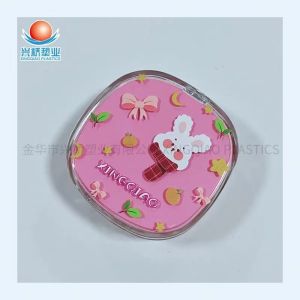
Three-color loose powder compact
분류: 컴팩트한 파우더 케이스조회수: 572번호:릴리스 시간: 2026-01-13 03:33:14The powder compact features cute cartoon designs, and you can choose one based on your preferences. -
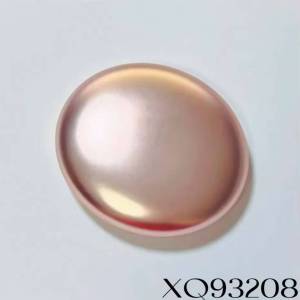
three-color eyeshadow palette
분류: 아이섀도우 팔레트조회수: 438번호:릴리스 시간: 2026-01-28 05:06:09Whether you prefer daily light makeup or seek exquisite and versatile looks, this packaging material can meet your diverse needs
뉴스
범주:
검색 결과가 없습니다!
케이스
범주:
검색 결과가 없습니다!
비디오
범주:
검색 결과가 없습니다!
다운로드
범주:
검색 결과가 없습니다!
모집
범주:
검색 결과가 없습니다!
추천 제품
검색 결과가 없습니다!
 휴대전화: +008613868982062
 팩스: +86-579-82196656
 웹사이트:
웹사이트: 주소: 아니요. Z 허장 성 진시 U시 지구 Yongxue 거리 377



 핸드폰
핸드폰