


Cosmetic packaging plays a decisive role in how beauty products are perceived, protected, used, and purchased.
In today’s highly competitive beauty market, packaging is no longer just a container. It is a critical part of
product performance, brand identity, shelf appeal, user experience, and consumer trust. The most successful
cosmetic packaging achieves two goals at once: it functions reliably and it looks attractive. When function and
aesthetics work together, the packaging supports the product, enhances the brand, and improves the overall
customer experience.
For brands, manufacturers, and buyers, understanding how to balance cosmetic packaging function and aesthetics is
essential. A beautiful package may attract attention, but if it leaks, breaks, or is difficult to use, it can hurt
the product’s reputation. Likewise, a highly functional package may protect the formula well, but if it appears
dull, outdated, or low-value, it may fail to capture consumer interest. The best packaging solutions combine visual
appeal, material performance, convenience, durability, and brand consistency.
This guide provides an SEO-friendly, industry-focused overview of cosmetic packaging, including definitions,
benefits, key design principles, common packaging types, material choices, functional requirements, aesthetic
considerations, specification tables, and practical balance strategies. It is designed for use in blog posts,
category pages, and industry pages with a strong search intent aRound cosmetic packaging,
beauty packaging, packaging design, and function and aesthetics.
Cosmetic packaging refers to the outer and inner containers, closures, dispensers, labels, and protective elements
used to store, present, dispense, and preserve beauty products. It includes packaging for skincare, makeup,
fragrance, hair care, personal care, and other cosmetic formulations. Cosmetic packaging must support the product
from manufacturing and filling to retail display, consumer use, and final disposal or recycling.
In the beauty industry, cosmetic packaging has several important functions. It protects formulas from contamination,
oxygen, moisture, light, and physical damage. It delivers the right amount of product in a controlled and
convenient way. It communicates product identity, instructions, ingredients, and safety information. It also
contributes to perceived quality and brand positioning through shape, color, texture, print, and finishing.
Balancing function and aesthetics in cosmetic packaging is important because both elements influence customer
behavior and product success. Packaging is often the first physical interaction a consumer has with a beauty
product. That first impression can affect purchase decisions, repeat use, and brand loyalty. If packaging looks
premium but performs poorly, users may become frustrated. If packaging functions well but lacks visual appeal, it
may struggle in competitive retail environments.
A balanced cosmetic packaging solution can improve product protection, reduce waste, enhance convenience, and
strengthen brand storytelling. It can also support compliance, improve logistics, and create a more sustainable
product lifecycle. In short, functional and aesthetic packaging is not an optional luxury; it is a strategic
advantage.
| Packaging Priority | Functional Benefit | Aesthetic Benefit | Business Impact |
|---|---|---|---|
| Protection | Prevents leakage, contamination, and damage | Supports a clean, well-made appearance | Improves product reliability and customer trust |
| Usability | Makes dispensing and application easier | Creates a refined user experience | Increases satisfaction and repeat purchases |
| Branding | Organizes product information clearly | Creates strong shelf presence and identity | Improves recognition and conversion |
| Sustainability | Reduces material use and waste | Supports a modern, responsible image | Aligns with consumer expectations |
To balance function and aesthetics effectively, it is useful to understand the primary functions of cosmetic
packaging. These functions should guide every design decision, from material selection to finishing details.
Cosmetic packaging must protect the formula from external factors. Skincare emulsions, creams, serums, powders,
lip products, and fragrances all have different protection requirements. Packaging should help prevent exposure to
air, humidity, UV light, bacteria, and physical impact. The right barrier properties and closure system are
essential for maintaining product quality and shelf life.
A key function of cosmetic packaging is dispensing the correct amount of product. Pumps, droppers, tubes, jars,
spray bottles, and airless containers each deliver product in different ways. Good dispensing improves hygiene,
reduces waste, and creates a better user experience. Aesthetic design should not interfere with precision or ease
of use.
Packaging is a visual communication tool. It conveys product category, brand style, ingredient claims, target
audience, and premium positioning. The design language, typography, colors, finishes, and graphics all communicate
value. Function is important, but the package must also tell a story and support the brand message.
Consumers value packaging that is easy to carry, open, close, store, and travel with. Compact shapes, secure
closures, lightweight materials, and ergonomic designs contribute to convenience. When the format is convenient,
the product is more likely to be used correctly and consistently.
Cosmetic packaging must also support regulatory information, including ingredient lists, usage instructions, batch
codes, warnings, and recycling guidance. Even highly decorative packaging must maintain legibility and space for
essential details. This is a crucial part of balancing aesthetics with practical requirements.
Aesthetics influence how consumers judge quality, effectiveness, and desirability. In cosmetic packaging, visual
appeal is often created through a combination of shape, color, material, surface treatment, and branding elements.
The goal is not just to make packaging look attractive, but to make it look appropriate for the product and its
market position.
The shape of cosmetic packaging contributes significantly to first impressions. Soft curves can communicate
elegance and femininity, while sharp geometric lines can suggest modernity and precision. Tall slim bottles may
feel premium, while compact shapes may suggest convenience and travel-friendliness. A balanced shape should also
support stability, filling efficiency, and storage.
Color is one of the strongest branding tools in cosmetic packaging. Neutral shades can create a clean, minimalist
look. Metallic tones can imply luxury. Bright colors can signal energy and youthfulness. Transparent packaging can
communicate freshness and formula visibility. Color should align with the product category, target customer, and
expected performance.
The finish of the packaging affects both appearance and perceived quality. Glossy surfaces can appear polished and
vibrant, while matte finishes often suggest sophistication and softness. Frosted effects, metallic coating,
soft-touch surfaces, and textured decoration can enhance the sensory experience. However, finishes should not make
the package slippery, difficult to print on, or hard to recycle when sustainability is a priority.
Typography supports clarity and style. Clean fonts can improve readability, while decorative fonts can enhance
luxury or artistic identity. In cosmetic packaging, typography must be legible at SMALL sizes and should not
overwhelm the overall layout. Labels must balance brand visibility with legal and functional information.
Printing techniques such as silkscreen printing, hot stamping, embossing, debossing, UV coating, and metallization
can elevate cosmetic packaging aesthetics. These effects create depth, contrast, and tactile appeal. They can
improve shelf impact, but they should be used in a controlled way so that the package remains practical,
manufacturable, and consistent.
Different cosmetic formulas require different packaging formats. Choosing the correct format is one of the most
important steps in balancing function and aesthetics. The table below summarizes common cosmetic packaging types
and their typical strengths.
| Packaging Type | Common Uses | Functional Strengths | Aesthetic Strengths |
|---|---|---|---|
| Airless Pump Bottle | Serums, lotions, creams | Improves hygiene, limits air exposure, precise dispensing | Modern, premium, technical appearance |
| Dropper Bottle | Facial oils, essences, concentrates | Controlled dosing, premium formula presentation | High-end, elegant, skincare-focused look |
| Tube | Cleansers, masks, primers, hand creams | Lightweight, convenient, easy to squeeze | Versatile graphics and strong shelf appeal |
| Jar | Creams, balms, masks | Easy access to thicker formulas | Classic, luxurious, visually open |
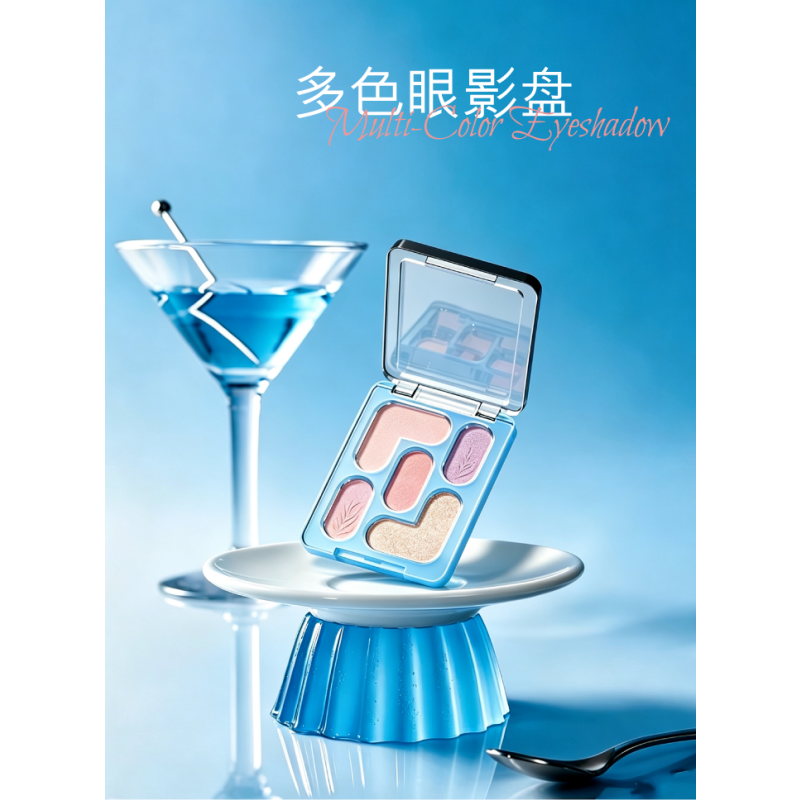
| Compact Case | Powder, blush, eyeshadow | Portable, protective, secure closure | Elegant, collectible, highly branded |
| Spray Bottle | Fragrance, facial mist, hair products | Fine mist distribution, user convenience | Sleek, refined, professional look |
| Pouch | Refills, masks, samples, cleansers | Lightweight, material-efficient, flexible | Modern, eco-conscious, adaptable design |
Material selection directly affects both function and aesthetics. Each material has different advantages in terms of
appearance, durability, cost, weight, sustainability, and compatibility with cosmetic formulas. A well-balanced
package uses the material properties to support performance while also creating the desired visual effect.
| Material | Functional Benefits | Aesthetic Benefits | Typical Applications |
|---|---|---|---|
| Plastic | Lightweight, durable, versatile, cost-effective | Can be molded into many shapes and finishes | Bottles, jars, tubes, caps, pumps |
| Glass | Excellent barrier, stable, premium feel | Clear, elegant, luxurious, high-end appearance | Serum bottles, fragrance bottles, cream jars |
| Aluminum | Strong, recyclable, light, protective | Modern, sleek, technical, minimalist | Tubes, bottles, caps, travel containers |
| Paperboard | Good for outer packaging and branding | Printable, customizable, eco-friendly image | Cartons, sleeves, gift boxes |
| Biodegradable or Bio-based Materials | Can reduce environmental footprint | Supports sustainable brand positioning | Selected refill and eco-focused packaging |
Achieving the right balance requires a structured design process. The most effective cosmetic packaging starts with
product requirements, then integrates visual goals, user needs, and production realities. Below are the most
important principles for balancing function and aesthetics in beauty packaging.
Every cosmetic formula has unique packaging needs. A watery toner, thick cream, oil-based serum, powder product, or
aerosol spray will each require different barrier performance, dispensing behavior, and closure design. Before
focusing on appearance, the package must be compatible with the formula. Packaging should preserve stability,
prevent contamination, and support product integrity throughout its shelf life.
Packaging aesthetics should reflect the brand’s market position. Luxury brands may use heavier materials, refined
finishes, and minimal graphics. Clean beauty brands may prefer natural textures, lighter colors, and recyclable
formats. Mass-market brands may prioritize efficiency, visibility, and value perception. The design must feel
authentic to the brand identity.
A cosmetic package should be comfortable to hold, simple to open, easy to dispense, and secure to close. User
experience is not just a functional issue; it also shapes perception. A package that feels smooth, stable, and
intuitive often appears more premium. Small details such as cap resistance, pump pressure, or jar opening torque
can significantly affect satisfaction.
Material choice should satisfy performance and appearance simultaneously. For example, glass can enhance visual
luxury, but it may not be ideal for travel or lower-cost products. Plastic can be practical and customizable, but
it should be designed carefully to avoid looking cheap. Aluminum can offer a clean modern look while providing
strength. The right material depends on the balance of priorities.
Decorative elements should support the package rather than distract from it. Too many colors, finishes, or
embellishments can make packaging appear cluttered and may increase production complexity. A strong visual identity
can often be created with simple shapes, consistent typography, and one or two premium finishing techniques. Clear
visual hierarchy is more effective than excessive decoration.
Packaging should be tested for drop resistance, leak resistance, closure durability, dispensing performance, and
transportation safety. Aesthetic choices should not reduce practical strength. If a surface coating scratches
easily or a design makes the package unstable, the visual appeal will quickly lose value in real use.
Modern cosmetic packaging increasingly needs to address sustainability. Consumers and retailers expect reduced
waste, recyclable materials, refill systems, and efficient use of resources. Sustainable packaging can still look
premium and attractive when designed thoughtfully. In many cases, simplicity and material efficiency enhance both
function and visual clarity.
The table below highlights the main functional criteria used when evaluating cosmetic packaging performance.
| Functional Criterion | What It Means | Why It Matters |
|---|---|---|
| Barrier Protection | Resistance to air, moisture, light, and contamination | Helps preserve formula stability and shelf life |
| Dispensing Control | Ability to deliver the right amount of product | Reduces waste and improves usability |
| Closure Integrity | Secure sealing and repeated opening/closing | Prevents leakage and maintains safety |
| Compatibility | Interaction between formula and packaging material | Prevents corrosion, deformation, and instability |
| Portability | Ease of carrying and storing the package | Supports travel use and convenience |
| Manufacturability | Ease of filling, assembly, and mass production | Improves efficiency and reduces defects |
| Compliance Space | Room for labels, codes, and legal information | Supports regulatory and retail requirements |
Aesthetic quality should be evaluated with the same seriousness as functional performance. The visual and tactile
features of packaging help define consumer expectations and influence perceived value.
| Aesthetic Criterion | What It Means | Consumer Impact |
|---|---|---|
| Shape Harmony | Balanced proportions and visual flow | Improves shelf appeal and perceived quality |
| Color Consistency | Aligned color palette across product lines | Strengthens brand recognition |
| Surface Texture | Matte, glossy, frosted, metallic, or tactile finishes | Creates sensory interest and premium feel |
| Print Quality | Sharp graphics and clear text | Improves readability and professionalism |
| Decorative Balance | Appropriate use of effects and embellishments | Prevents visual overload and confusion |
| Premium Perception | Overall impression of value and refinement | Supports pricing and brand positioning |
Cosmetic packaging specifications vary by product type, brand positioning, and market requirements. The table below
provides common industry-style specification references for general use. These are not tied to any specific
manufacturer and may vary depending on product needs.
| Specification Item | Common Range / Example | Notes |
|---|---|---|
| Capacity | 5 ml to 500 ml | Selected based on product type, usage frequency, and market segment |
| Material Options | Plastic, glass, aluminum, paperboard | Chosen according to compatibility, cost, and visual goals |
| Closure Types | Screw cap, pump, spray, dropper, flip-top, disc-top | Should match formula viscosity and usage style |
| Surface Finish | Glossy, matte, frosted, soft-touch, metallic | Used to create specific visual and tactile effects |
| Decoration Methods | Printing, labeling, hot stamping, embossing, coating | Enhances branding and shelf appeal |
| Color Application | Transparent, opaque, tinted, custom-color matched | Should align with brand and formula visibility |
| Recyclability | Depends on material and structure | Important for sustainability messaging |
When function and aesthetics are balanced correctly, cosmetic packaging delivers advantages across the entire value
chain. It improves product protection, increases consumer satisfaction, supports brand differentiation, and can
help reduce operational issues. It may also contribute to stronger retail performance and better long-term
perceived value.
Even strong cosmetic packaging concepts can fail if they overemphasize style or function alone. The most common
mistakes include:
A practical cosmetic packaging development process usually includes the following steps:
Current cosmetic packaging trends increasingly reflect the need for balance. Minimalist design, refillable packaging,
airless dispensing systems, transparent ingredient communication, and eco-conscious materials are all shaping the
market. These trends show that modern consumers want packaging that looks good, works well, and supports
responsible consumption.
| Trend | Functional Benefit | Aesthetic Benefit |
|---|---|---|
| Minimalist Packaging | Cleaner layout and easier information access | Modern, premium, uncluttered appearance |
| Airless Systems | Protects sensitive formulas and improves dispensing | Technical, high-performance look |
| Refillable Packaging | Reduces waste and supports repeat use | Smart, sustainable, contemporary image |
| Transparent Elements | Allows formula visibility and level checking | Fresh, clean, trustworthy appearance |
| Soft-Touch Finishes | Improves grip and tactile comfort | Premium and sensory-rich feel |
Cosmetic packaging is more than a container. It is a Multifunctional system that protects formulas, improves user
experience, communicates brand value, and shapes consumer perception. The best cosmetic packaging balances
function and aesthetics in a way that supports product integrity while creating strong visual appeal. By
selecting the right format, materials, finishes, and structural details, brands can develop packaging that looks
attractive, performs reliably, and fits the expectations of today’s beauty market.
For SEO, industry pages, and blog content, this topic remains highly relevant because cosmetic packaging connects
directly to purchase decisions, product performance, sustainability, and brand identity. Whether the goal is a
premium serum bottle, a practical skincare tube, or a modern refill system, the principle remains the same:
successful cosmetic packaging must balance function and aesthetics with precision, clarity, and consistency.
The main purpose of cosmetic packaging is to protect the product, dispense it effectively, present it attractively,
and provide required information. It combines functional and visual roles.
Aesthetics matter because they influence shelf appeal, brand perception, and customer interest. Attractive
cosmetic packaging often helps products stand out in crowded markets.
Functional cosmetic packaging protects the formula, dispenses the product well, seals properly, and supports
convenient use. It should also be durable and compatible with the product inside.
Cosmetic packaging can be both beautiful and practical by starting with formula requirements, selecting suitable
materials, simplifying decoration, testing usability, and ensuring that the final design supports both branding
and performance.
Common materials include plastic, glass, aluminum, paperboard, and selected bio-based materials. Each material has
different advantages for protection, appearance, and sustainability.
```
Jinhua Xingqiao Plastic Industry Co., Ltd.
 휴대전화: +008613868982062
 전화: +86-579-82196667
 팩스: +86-579-82196656
 웹사이트:http://www.zjxqpackaging.com
 주소: 아니요. Z 허장 성 진시 U시 지구 Yongxue 거리 377
저작권 © 2022 Jinhua Xingqiao 플라스틱 공업 유한 회사
이 웹사이트는 귀하가 당사 웹사이트에서 최상의 경험을 할 수 있도록 쿠키를 사용합니다.

 English
 Pусский
 ไทย
ไทย Indonesia




 핸드폰
핸드폰
논평
(0)